Over the summer, a group of interns joined VivCourt from backgrounds spanning mathematics, statistics, computer science, and finance. Some had spent months preparing with mental maths drills and probability theory. Others had built side projects or spoken to people in the industry. All of them arrived curious, and left with a sharper understanding of what trading really involves.
Here’s what they found.
There’s no single path in
Interns came from a range of degrees, but there were common threads: comfort with numbers, an interest in quantitative problems, and a willingness to think critically.
Some had studied quantitative finance or options theory at university. Others drew more on strong foundations in maths, statistics, programming, and especially probability. As one intern put it, concepts like “probability distributions, expected value, variance, and correlation were highly relevant to thinking like a trader” – a view that resonated across the group.
Interview preparation looked different for everyone. For some, it meant grinding mental maths on Zetamac or working through interview prep books, including A Practical Guide to Quantitative Finance Interviews. Others built small sports betting models, explored ideas like Markov chains, or simply spoke to people who had been through the process before.
In hindsight, one intern reflected that building something tangible – like a small research project or dataset analysis – would have been one of the most useful ways to prepare.
The internship is structured – but no two days feel the same
A typical day might start early: arriving around 8:00am, grabbing breakfast, and reading the news to understand what’s happening in the markets.
From there, the structure shifts.
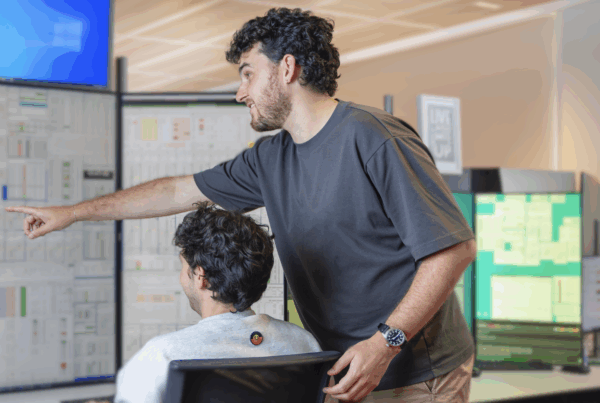
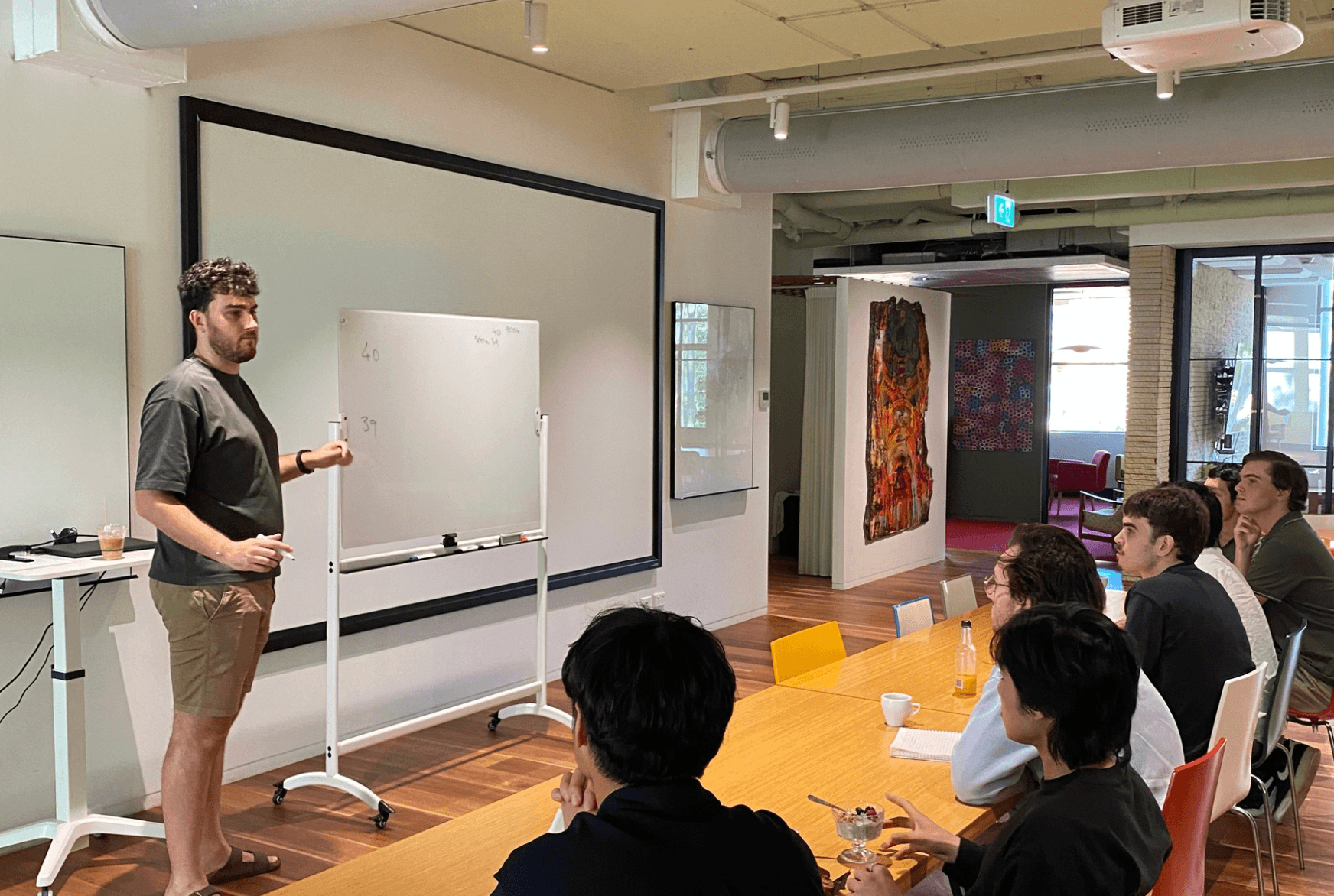
Some days focus on learning – covering everything from trading systems and market structure to probability and options theory. Others are more hands-on, with trading simulations, market-making games, or time spent working on quantitative projects.
The program itself moves through different phases. Early on, the focus is on building foundations. Later, it becomes more applied – testing ideas, making decisions, and seeing outcomes play out in real time.
What stands out is the mix: theory, practice, and feedback are tightly connected.
Feedback is immediate
One of the most memorable parts of the internship was simulated trading.
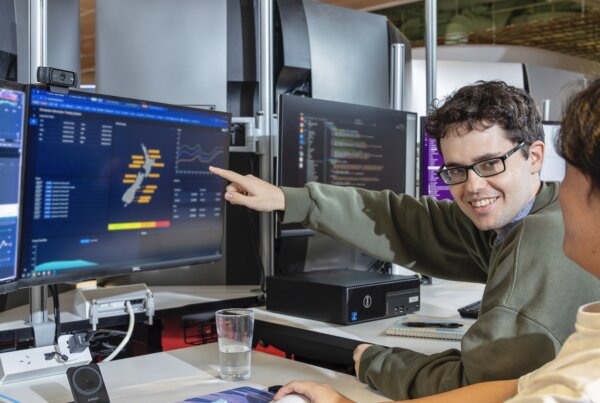
In these sessions, interns could see each other’s performance in real time. Decisions had immediate consequences. Small changes to a strategy could be tested and reflected almost instantly.
“It’s openly competitive… but good fun amongst us”, one intern noted. “Small alterations to our strategy can be immediately reflected in our trades.”
Others were drawn to quantitative projects – diving into an order book and trying to filter out meaningful predictions that could translate into trading decisions.
For many, it was their first real glimpse into how trading research works in practice: forming a hypothesis, building a strategy around it, and seeing how it performs in backtests – “much like how research is conducted by real desks.”
Speed matters – but so does judgement
One of the biggest takeaways was how important speed is in decision-making.
In trading, waiting for perfect information isn’t always an option. As one intern put it: being “half-right and quick” can often be better than being “fully right and slow.”
At the same time, interns learned to question their assumptions. If your answer is “an order of magnitude off from the market (say during a market-making game), there is a high chance that you have made a mistake in your calculations”.
Over time, this builds something harder to define but easy to recognise: trading intuition. A feel for how markets move, how different factors interact, and when something doesn’t quite add up.
Progress comes from staying open – and staying curious
Across the internship, a few themes kept coming up.
Being able to explain your thinking clearly matters just as much as getting to the right answer.
Paying attention to small details – and following up when something doesn’t make sense – can compound quickly.
And perhaps most importantly, curiosity drives progress. The interns who got the most out of the experience were the ones who asked questions, explored ideas, and stayed engaged throughout.
Or, as one intern summed it up: “Have fun. It can be intense, but it’s the people and the learning that make it worth it.”
Thinking about applying?
There’s no single way to prepare – but there are patterns.
Build a strong foundation in probability and quantitative thinking. Get comfortable working with data. Try things – projects, models, ideas – and see what you learn from them.
And when you get the opportunity, focus on how you think. The ability to communicate your reasoning, adapt quickly, and stay curious goes a long way.
Trading is fast, imperfect, and constantly evolving.
That’s also what makes it interesting.