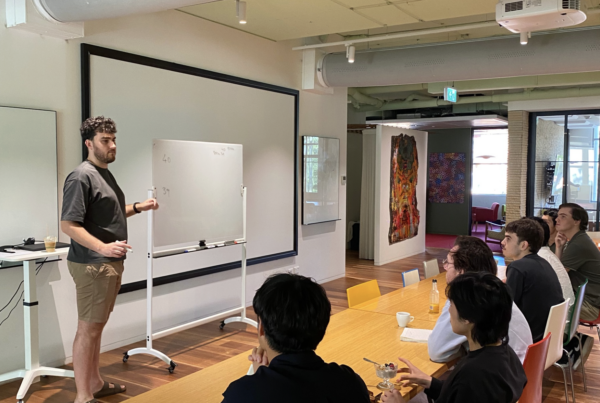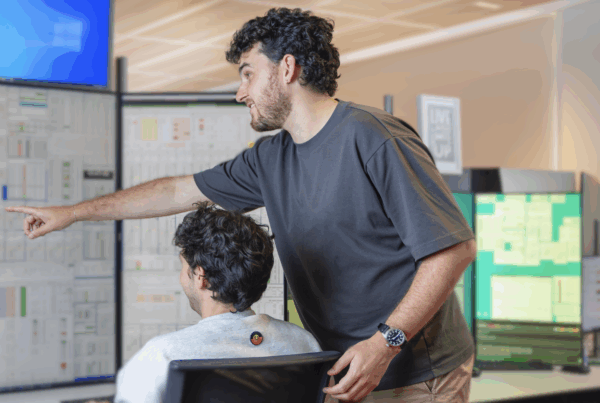
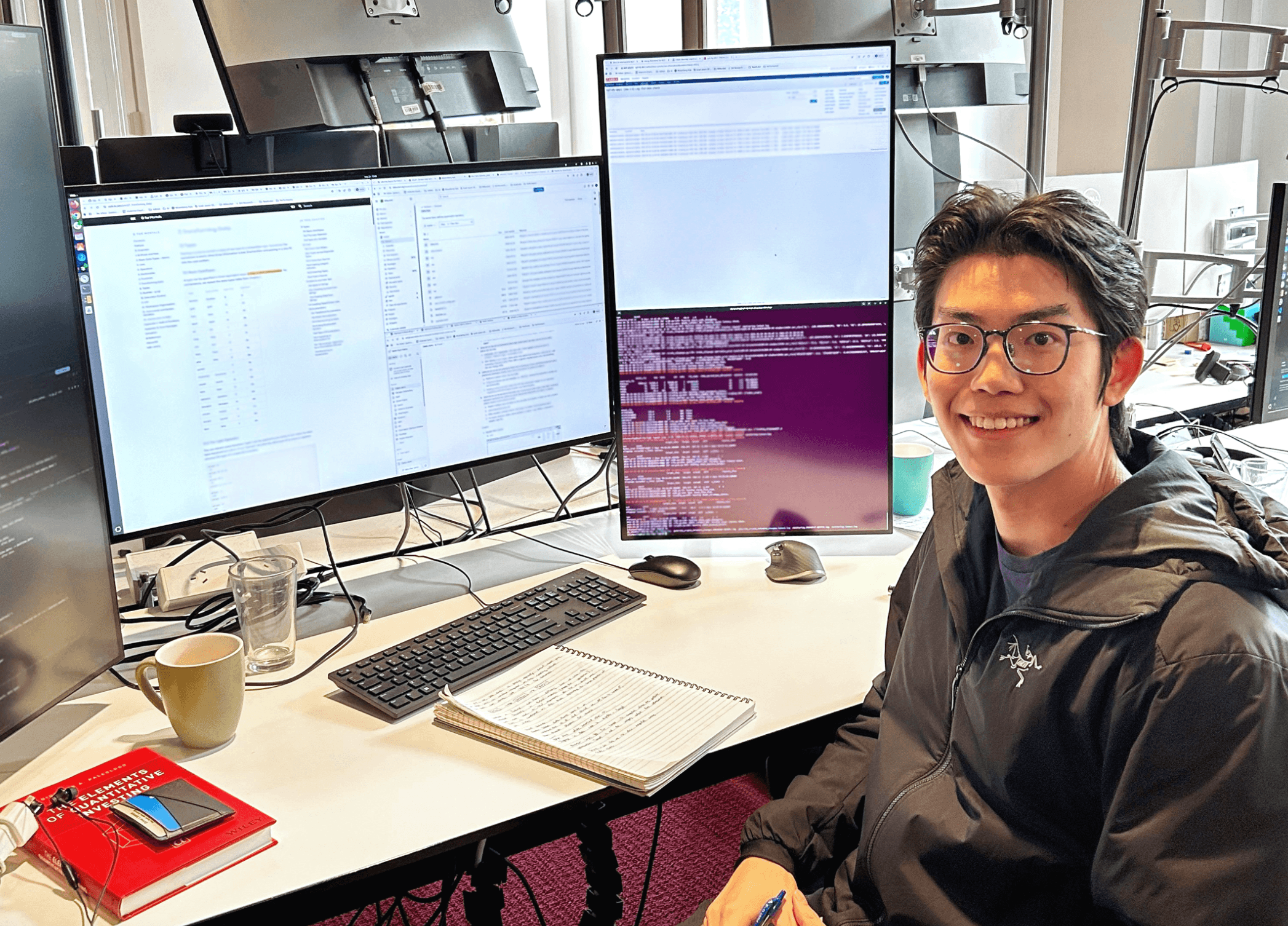
This year’s graduate program gave our traders the chance to experience different parts of the business before settling into a permanent desk. Over a few months, they rotated across a range of desks, gaining exposure to different markets, products and trading styles. We spoke with Jason, to hear about his experience and how he landed on our quant desk.
Walk us through your rotations – what were the biggest lessons from each?
I rotated across four different desks…
Cash Equities. This rotation was a mix of shadowing and project work, and came during a volatile period as markets digested the US-Iran conflict. I worked on improving and systematising an existing ETF trading strategy, while also building a broader understanding of the strategies running on the desk. It was a good chance to apply what we had learnt during the internship in a much more practical setting.
Options. Similarly, this rotation involved shadowing and project work. I spent time understanding how the desk approaches volatility, market structure and risk management. The broker market was a particular highlight, off-screen and over the phone, with a noticeably more relationship-driven feel than traditional market making. My project was volatility-related and led to some interesting findings that the traders wanted to explore further.
Performance. This ended up being one of my favourite rotations, despite being the least familiar to me going in. The focus was on exchange and network topology, market data and order-entry protocols, and their practical implications for latency and session optimisation. I also worked on analysing and improving one of our exchange connectivity setups. It’s a part of trading that’s rarely visible from the outside, which made the access to it and the chance to learn directly from the desk lead, particularly valuable.
So where did you end up and what drew you to that desk?
I joined our Systematic MFT team. This was the team I was most drawn to, so it worked out well that the business need was there too. The longer trading horizon lends itself to more fundamental signals, thinking about what should drive an asset’s returns and trying to model it, rather than relying purely on statistical relationships. It felt like the strongest fit for how I think and where I could add value.
The breadth of markets also appealed to me. Something is always trading somewhere, which keeps you engaged and connected to what is happening across the world.
Curious about careers at VivCourt? Sign up for updates on relevant roles, events and opportunities.